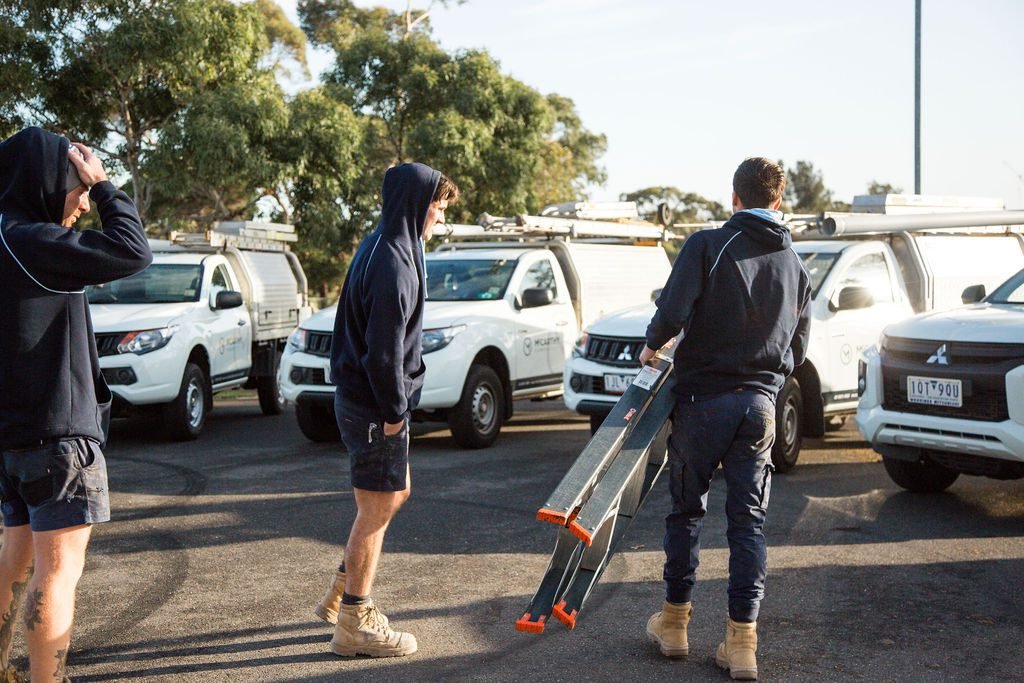
When a pipe bursts at 2 AM or your water heater decides to stage a cold shower protest, you’re not just looking for a plumber; you’re searching for the Best Plumber in Deer Park. You need someone reliable, skilled, and honest – a true local hero who can turn a plumbing nightmare back into domestic bliss. But with so many options, how do you sort the skilled professionals from the fly-by-nights? This comprehensive guide will equip you with everything you need to know to make that critical choice with confidence.
At a Glance: Your Quick Guide to Plumbing in Deer Park
- Diverse Services: Deer Park plumbers handle everything from leaky faucets and clogged drains to major pipe replacements, water heater installations, and emergency repairs.
- Gas Leaks: If you suspect a gas leak, evacuate immediately and call your utility company, not a plumber first. Plumbers can assist with appliance repair after the main leak is handled.
- Cost Snapshot: Expect general repairs to range from $104 to $346. Specific jobs like burst pipe repair can be significantly higher ($788 - $3,150). Always get free estimates.
- Key Hiring Criteria: Prioritize plumbers who are licensed and insured, have strong local experience, positive customer reviews (Google, BBB), and offer warranties on their work.
- DIY Cautions: While simple clogs might be a DIY job, improper repairs can lead to costly damage. When in doubt, call a professional.
- Emergency vs. Scheduled: Urgent issues like burst pipes require immediate calls and often cost more. Scheduled repairs can usually be booked online or by phone.
- Water Heater Check-ups: If your water heater is old (8-12+ years), leaking, noisy, or inefficient, it's time for a professional inspection.
- Tipping Etiquette: Tipping is generally not expected but appreciated for exceptional service. Check company policy.
Why Your Deer Park Home Needs a Trusted Plumbing Partner
Your home's plumbing system is a complex network, often out of sight but always critical. From the morning shower to the evening dishwashing, it quietly facilitates daily life. That is, until it doesn't. Deer Park, like any established community, experiences its share of plumbing challenges—be it wear and tear from aging infrastructure, issues unique to local water quality, or simply the unpredictable nature of pipes and fixtures. Having a trusted plumbing partner isn't just about fixing problems; it's about prevention, efficiency, and peace of mind.
Decoding Common Plumbing Issues: When to Call a Pro
Let's face it, nobody enjoys a plumbing problem. They’re inconvenient, often messy, and can quickly escalate from a minor nuisance to a major disaster. Understanding the common culprits and when to intervene (or call for help) is your first step toward maintaining a healthy home.
Here are the issues Deer Park residents frequently encounter and what they mean for your home:
- Clogged Drains: The classic villain. Slow drains, standing water in sinks or showers, or gurgling noises often signal a blockage. Hair, grease, soap scum, and foreign objects are common culprits. While a minor clog might respond to a plunger, persistent or recurring clogs suggest a deeper issue.
- Lack of Hot Water: This goes beyond a chilly shower. If your water heater isn't producing hot water, or only for very short periods, it could be a heating element failure, thermostat issue, or even a leak in the tank. This requires professional diagnosis.
- Low Water Pressure: Is your shower a sad dribble? Low water pressure throughout your home or in specific fixtures can indicate mineral buildup in pipes, a partially closed main water valve, or even a more serious main water line problem.
- Leaks (Drips, Puddles, or Worse): Even a small drip can waste gallons of water and lead to significant damage over time. Visible leaks from faucets or pipes are obvious, but watch for unexplained puddles, water stains on ceilings or walls, or a sudden spike in your water bill—these signal hidden leaks.
- Running Toilets: That phantom flushing sound isn't just annoying; it's wasting water. A running toilet usually indicates a faulty flapper valve or a fill valve problem, leading to continuous water flow into the bowl.
- Sewer Line Problems: This is where things get serious. Frequent clogs in multiple fixtures, foul odors from drains, or soggy spots in your yard near the sewer line can point to a compromised sewer line, often due to tree root intrusion or pipe damage. This requires immediate professional attention.
- Gas Leaks: While not strictly plumbing in the water sense, many plumbers are trained to detect and repair gas leaks in household appliances. If you smell gas, hear a hissing sound, or notice dying vegetation near gas lines, evacuate your home immediately. Call your utility company first, then a plumber for appliance-related issues after the main hazard is secured.
For any of these issues beyond the simplest, a professional plumber brings the specialized tools, knowledge, and experience to diagnose accurately and repair effectively, preventing further damage and ensuring your home's safety.
Navigating the Cost Landscape: What to Expect in Deer Park
One of the biggest concerns homeowners have when facing a plumbing issue is, understandably, the cost. Understanding the typical price ranges for various services in Deer Park can help you budget and evaluate estimates. It's important to remember these are general ranges; the final price will depend on the complexity of the job, specific parts needed, and whether it's an emergency call.
General plumbing repairs in Deer Park typically fall within a range of $104 to $346. However, more specific or extensive services have their own price brackets:
- Clog and Drain Clearing: Expect to pay anywhere from $73 to $365. This range accounts for simple sink clogs to more complex main drain blockages that might require specialized equipment like a snake or hydro-jetting.
- Leak Repair: For an average leak, costs generally run between $109 and $328. This can vary depending on the leak's location (visible faucet vs. hidden pipe in a wall) and the extent of the damage.
- Burst Pipe Repair: This is an emergency, and the costs reflect the urgency and potential damage. Prices range from $788 to $3,150. Quick action is critical to minimize water damage.
- Faucet Installation: If you're upgrading or replacing a leaky faucet, expect to pay $130 to $519. This typically includes the labor to remove the old fixture and install the new one.
- Toilet Installation: Replacing an old or broken toilet can cost between $290 and $772. This covers removal, installation, and ensuring proper sealing and function.
- Main Water Line Repair: Problems with your main water line are serious and can be costly, with repairs ranging from $407 to $3,259. The excavation and complexity of these repairs drive the higher prices.
- Water Heater Repair: If your water heater is acting up, repairs typically cost $118 to $591, depending on the component needing replacement (e.g., heating element, thermostat, anode rod).
- Water Heater Installation: A new water heater installation can range from $772 to $1,930. This usually includes the removal of the old unit and the setup of the new one, ensuring it meets all local codes.
Factors Influencing Plumbing Costs:
- Complexity: A simple drip fix is cheaper than rerouting an entire section of pipe.
- Parts & Materials: High-quality, specialized, or hard-to-find parts will add to the cost.
- Accessibility: If the plumber needs to cut into walls or dig into your yard, labor costs will increase.
- Emergency vs. Scheduled: Emergency services, especially outside of regular business hours, will almost always incur higher rates due to urgency.
- Permits: Some larger jobs (like main line replacements or major water heater changes) might require permits, adding to the overall cost.
Always obtain a detailed, written estimate from your plumber before work begins. This ensures transparency and helps prevent unexpected charges.
Your Blueprint for Choosing the Best Plumber in Deer Park
Finding the "best" isn't just about who's closest; it's about who offers the right blend of skill, reliability, and trustworthiness. This isn't a decision you want to rush, especially when facing an urgent problem. Here’s a step-by-step guide to help you make an informed choice:
1. Verify Licensing and Insurance: Non-Negotiable Essentials
Before anything else, confirm that any plumber you consider is properly licensed and insured. This isn't just a suggestion; it's a critical safeguard for you, your property, and the plumber themselves.
- Licensing: A plumber's license (issued by the state) signifies they've met the necessary training, experience, and examination requirements. It proves they know what they're doing. Ask for their license number and verify it with the Texas State Board of Plumbing Examiners.
- Insurance: This is twofold:
- Liability Insurance: Protects you if the plumber accidentally damages your property during the repair.
- Worker's Compensation Insurance: Crucial if the plumber or their employee gets injured on your property. Without it, you could be held liable.
Don't just take their word for it; ask for proof of both. Reputable plumbers will readily provide this information.
2. Local Experience Matters: Familiarity with Deer Park's Quirks
While a plumber from a neighboring town might be competent, one with significant local experience in Deer Park offers distinct advantages. They’ll be familiar with:
- Local Building Codes: Ensuring any work done is up to code and passes inspection.
- Common Local Issues: Certain areas might have older piping, specific water quality challenges leading to mineral buildup, or particular ground conditions affecting sewer lines. A local expert has likely seen it all before.
- Permitting Processes: If your job requires a permit, they'll know the ins and outs of Deer Park's requirements.
3. Read Customer Reviews: The Wisdom of the Crowd
In today's digital age, you have a wealth of information at your fingertips. Customer reviews offer invaluable insights into a plumber's reliability, professionalism, and quality of work.
- Where to Look:
- Google Reviews: Often the first stop, offering a broad perspective.
- Better Business Bureau (BBB): Checks for accredited businesses, complaint history, and how they resolve issues.
- Yelp, Angie's List, Nextdoor: Other platforms where neighbors share experiences.
- What to Look For:
- Overall Rating: A consistently high rating (4.5 stars and up) is a good sign.
- Specific Feedback: Look for comments on punctuality, clear communication, cleanliness, problem-solving skills, and whether the final cost matched the estimate.
- Response to Negative Reviews: How a company responds to criticism can be very telling. Do they address concerns professionally and offer solutions?
4. Obtain Multiple Free Estimates: Compare and Contrast
Never settle for the first quote you receive. Always get free estimates from at least two, preferably three, different plumbing companies.
- Why Multiple Estimates?
- Compare Market Rates: Helps you understand the going rate for your specific service in Deer Park.
- Spot Discrepancies: Allows you to identify unusually high or low quotes. Be wary of quotes significantly lower than others, as they might cut corners or add hidden fees later. Unusually high quotes might be price gouging.
- Evaluate Communication: See how each company approaches the initial assessment and their willingness to explain the work involved.
- What to Ask For: A detailed, written estimate that breaks down labor costs, parts, and any potential additional fees. Don't be afraid to ask questions until you fully understand what you're paying for.
5. Inquire About Warranties: Protection for Your Investment
A reputable plumber stands behind their work. Always ask about their warranty policy.
- Workmanship Warranty: Does the company guarantee their labor? For how long? This protects you if the repair fails due to their installation or service.
- Manufacturer's Warranty: If new fixtures (like a water heater or faucet) are installed, ensure they come with a manufacturer's warranty. Ask who handles claims if the fixture itself is defective.
A strong warranty indicates confidence in their skills and parts, providing you with long-term peace of mind.
Services Your Deer Park Plumber Can Provide
Modern plumbing services extend far beyond just fixing leaks. The best plumbers in Deer Park offer a comprehensive suite of services to keep your home running smoothly.
- Leak Repair: From dripping faucets to hidden slab leaks, plumbers diagnose and repair all types of leaks, preventing water damage and conserving resources.
- Clog Removal: Utilizing specialized tools like augers, hydro-jetters, and video inspection cameras, they can clear even the toughest clogs in drains, toilets, and sewer lines.
- Pipe Replacement: For aging, corroded, or damaged pipes, plumbers can replace sections or entire systems with durable new materials like PEX or copper.
- Fixture Installation: Whether it's a new toilet, sink, shower, or even a garbage disposal, they ensure proper installation and functionality.
- Water Heater Services: This includes repair, replacement, and installation of traditional tank-style and tankless water heaters. They can help you choose the right size and type for your household needs.
- Gas Leak Detection & Repair: Many plumbers are certified to work on gas lines and appliances, detecting leaks and performing necessary repairs, ensuring your home's safety. (Remember: Call the utility company first if you suspect a major leak!)
- Annual Inspections: Proactive inspections can identify minor issues before they become major problems, saving you money and stress in the long run.
- Emergency Services: For urgent situations like burst pipes, major leaks, or sewage backups, Deer Park plumbers offer rapid-response emergency services to mitigate damage quickly.
DIY vs. DIFM (Do It For Me): When to Know Your Limits
It's tempting to tackle a plumbing problem yourself. After all, a quick YouTube search can make anything look easy. And for truly simple tasks, DIY can be rewarding. But there's a critical line where a professional's expertise becomes indispensable.
When DIY Might Be Okay:
- Minor Clogs: A plunger can often clear simple clogs in sinks or toilets.
- Drippy Faucet Repair (Basic): Replacing a worn-out washer or O-ring in an accessible faucet might be manageable with the right tools and instructions.
- Toilet Flapper Replacement: If your toilet runs constantly and you've identified a faulty flapper, this can be a relatively straightforward fix.
When to Call a Professional (DIFM):
- Persistent or Recurring Clogs: If a clog keeps coming back, there's a deeper issue that a plunger won't solve. You might need a professional snake or hydro-jetting to clear a main line blockage.
- Low Water Pressure: This often requires diagnosing issues within your main water line or identifying extensive mineral buildup, tasks best left to experts.
- Any Leak You Can't Immediately Locate or Stop: Hidden leaks can cause extensive and expensive damage, fostering mold growth and compromising structural integrity. Professionals have tools like leak detectors and thermal cameras.
- Gas Leaks: Always, always, always call the utility company first, then a certified plumber. Never attempt to fix a gas leak yourself.
- Water Heater Issues: Repairing or replacing a water heater involves gas lines, electrical connections, and significant water pressure. Improper handling can be dangerous.
- Sewer Line Problems: These are complex, messy, and require specialized equipment for diagnosis and repair (e.g., trenchless repair, excavation).
- Anything Involving Main Water Lines or Pressure Regulators: These are critical components of your home's plumbing system, and mistakes can affect your entire home or even your neighborhood's water supply.
The Pitfall of Improper Repairs: Attempting complex repairs without the proper knowledge or tools can lead to significant, costly damage. A simple leak can turn into a burst pipe, a small clog can become a sewage backup, and incorrect installations can void warranties or create safety hazards. When in doubt, the cost of calling a professional is almost always less than the cost of fixing a DIY gone wrong.
Scheduling & Emergency Services: What's the Difference?
Understanding how to engage plumbing services is key to getting help when you need it most.
Scheduled Repairs: Convenience and Planning
For non-urgent issues like a leaky faucet that's more annoying than catastrophic, a new toilet installation, or an annual inspection, you can typically schedule a plumber in advance.
- How to Schedule: Most companies offer online scheduling through their websites or allow you to call during business hours to book an appointment.
- Benefits: You can choose a time that works best for you, often benefit from lower standard rates, and have time to gather multiple estimates.
Emergency Services: When Every Minute Counts
Some plumbing problems simply can't wait. A burst pipe, a major sewage backup, or a complete loss of water are emergencies that threaten significant property damage or health hazards.
- How to Handle: In these situations, you need to call the plumber directly. Many Deer Park plumbing companies offer 24/7 emergency services specifically for these urgent scenarios.
- What to Expect: Emergency calls usually come with a higher service fee due to the immediate dispatch and after-hours labor. However, the cost of rapid response far outweighs the potential damage from waiting. Your priority should be to mitigate immediate damage (e.g., turn off your main water supply) and then get a professional on site as quickly as possible.
Water Heater Woes? Signs It's Time for a Professional Look
Your water heater is a workhorse, quietly providing hot water day in and day out. But like any appliance, it has a lifespan and can develop problems. Knowing when to call a professional for an inspection or repair can save you from an icy shower or a flooded utility closet.
Here are the key indicators that your water heater needs a professional's attention:
- It's Leaking: Even a small leak from the tank or connections can escalate quickly. Leaks often signal corrosion, cracks, or loose fittings. Turn off the water supply to the heater immediately and call a plumber.
- It's Making Strange Noises: Rumbling, popping, or hissing sounds often indicate sediment buildup at the bottom of the tank. This sediment not only reduces efficiency but can also cause damage to the tank liner over time.
- It's Not Heating Effectively (or at all): If your water isn't getting hot, or runs cold quickly, it could be a faulty heating element, a broken thermostat, or an undersized unit for your household's needs.
- Your Water Heater is Old: The typical lifespan for a traditional tank-style water heater is 8-12 years. If yours is approaching or past this age, even without major issues, a professional inspection is highly recommended to assess its condition and efficiency. Older units are more prone to failure and less energy-efficient.
- Rusty or Discolored Water: If you notice rusty or discolored hot water, especially from multiple fixtures, it's a strong sign of corrosion inside your water heater tank, indicating it's likely nearing the end of its life.
- Pilot Light Issues (Gas Heaters): If the pilot light frequently goes out, or you have trouble relighting it, it could be a thermocouple issue or a gas supply problem, which requires professional diagnosis.
A professional inspection can determine if a repair is feasible and cost-effective, or if it's time to consider a replacement. They can also advise on energy-efficient upgrades.
Tipping Your Plumber: A Quick Guide
The question of tipping service professionals often arises, and plumbers are no exception.
Generally, tipping is not expected for plumbers in the same way it might be for restaurant servers or hairdressers. Plumbers typically charge an hourly rate or a flat fee for their services, which covers their labor, expertise, and company overhead.
However, if a plumber goes above and beyond, provides exceptional service, handles a particularly difficult or unpleasant job (like a severe sewage backup), or works outside of regular hours on an emergency, a tip is a thoughtful gesture of appreciation.
- What to Offer: If you choose to tip, a cash tip of $10-$20 (or more for truly extraordinary service on a big job) is common. Some people prefer to offer a cool drink on a hot day or a snack.
- Check Company Policy: Some larger plumbing companies might have policies against employees accepting tips. It's always a good idea to discreetly ask the plumber or the company if it's permitted and if they would prefer it.
Ultimately, it's a personal decision based on your satisfaction with the service provided.
Putting It All Together: Your Next Steps for Plumbing Peace of Mind
Navigating plumbing issues, from minor drips to major emergencies, can be stressful. But armed with the right knowledge and a clear action plan, you can face these challenges with confidence. Your goal is to not just find a plumber, but to identify the Best Plumber in Deer Park who will provide reliable, high-quality service, ensuring the longevity and efficiency of your home's vital systems.
Here’s your actionable checklist:
- For Emergencies: Immediately turn off your main water supply if there’s a major leak or burst pipe. Then, directly call a reputable Deer Park plumbing company for emergency service.
- For Non-Emergencies:
- Define Your Need: Clearly identify the plumbing issue you're facing.
- Research Reputable Companies: Start by looking for plumbers with strong local reviews on Google, the BBB, and community groups.
- Verify Credentials: Before even getting an estimate, confirm they are licensed and fully insured. Don't hesitate to ask for their license number to cross-reference.
- Get Multiple Estimates: Contact at least two to three plumbers for free, written estimates. Compare not just prices, but also their proposed solutions, transparency, and communication style.
- Inquire About Warranties: Ask about both workmanship and manufacturer warranties for any new installations.
- Ask About Local Experience: Confirm their familiarity with Deer Park's specific plumbing landscape.
- Know Your Limits: For anything beyond a simple plunger job, recognize the value and necessity of professional expertise to avoid costly mistakes.
- Proactive Maintenance: Consider scheduling annual plumbing inspections, especially if your home is older or you haven't had one recently. Prevention is always cheaper than repair.
By taking these steps, you're not just reacting to a problem; you're building a relationship with a trusted professional who can ensure your Deer Park home’s plumbing remains a source of comfort, not stress. Choose wisely, and enjoy the peace of mind that comes with knowing your home's pipes are in capable hands.